Pressure sensors & pressure switches
Pressure sensors and pressure switches monitor the pressure in a central lubrication system electronically and report it to the control. Because pressure tells you whether a network is building up correctly and reaching its points, continuous pressure monitoring is one of the most reliable ways to confirm that lubrication is actually happening
Pressure sensors & pressure switches at a glance
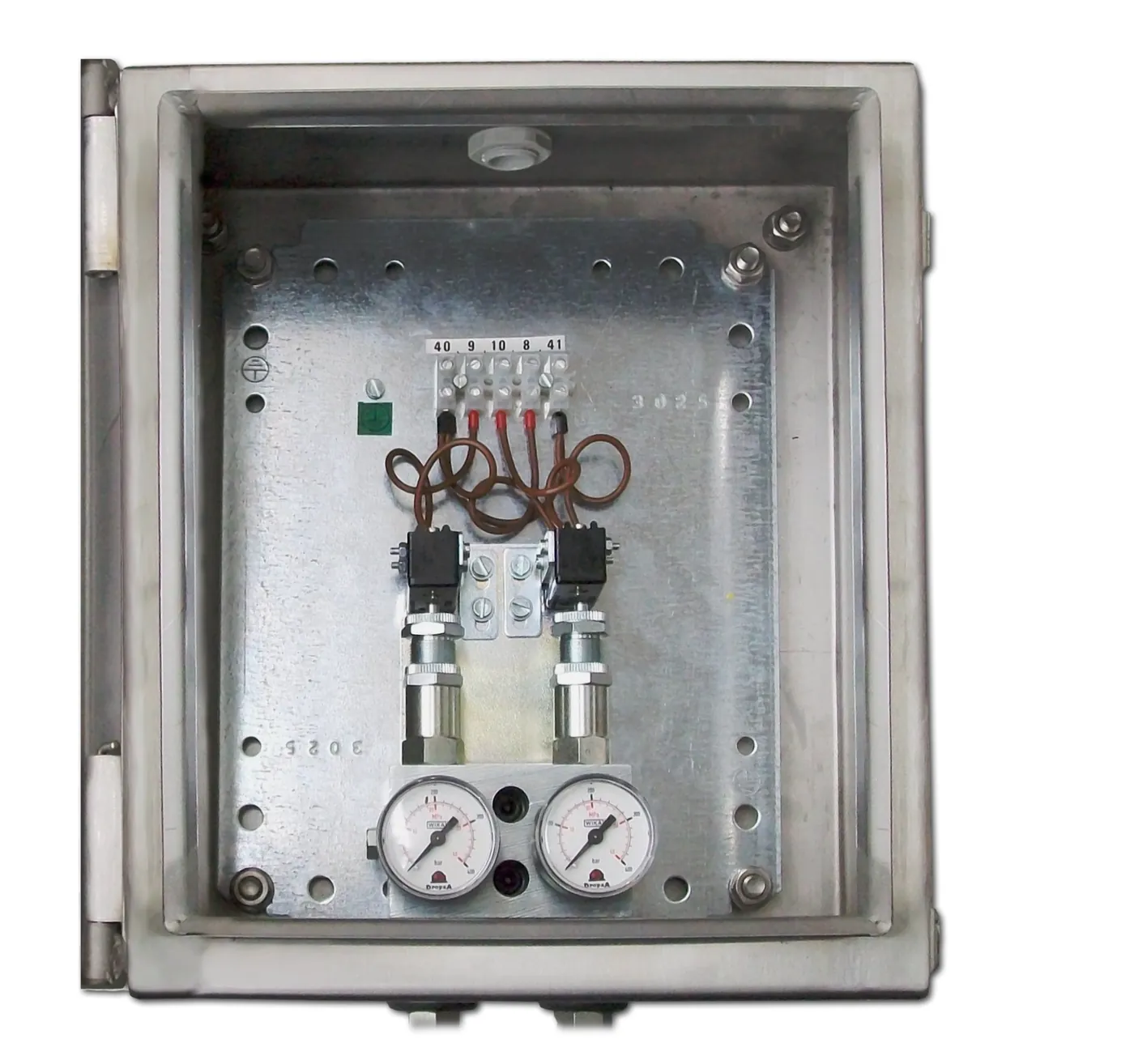
Stainless steel two-line final pressure switching device
Compact stainless steel housing, suitable for two supply lines. Switches reliably when the final pressure is reached in small and medium-sized lubrication systems.
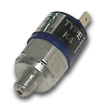
Membrane pressure switch
Sensitive membrane mechanism for precise pressure switching. Ideal for applications with subtle pressure changes and low hysteresis.
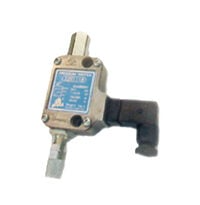
Piston pressure switch
Robust piston mechanism for high pressures. Provides stable switching signals even under fluctuating operating conditions.
Pressure sensors & switches for lubrication systems
Pressure sensors and pressure switches monitor the pressure in a central lubrication system electronically and report it to the control. Because pressure tells you whether a network is building up correctly and reaching its points, continuous pressure monitoring is one of the most reliable ways to confirm that lubrication is actually happening. A pressure switch signals when a set threshold is reached or missed; a pressure sensor delivers a continuous value that can be logged, trended and alarmed — turning the lubrication system into a monitored, traceable process and complementing visual pressure indicators. The sensor or switch is connected to the lubrication line and converts the prevailing pressure into an electrical signal. During a lubrication cycle the pressure rises as the pump charges the network; the sensor confirms that the expected pressure is reached, and a switch can trigger an action or alarm if it is not. This makes it possible to detect a blockage, a leak or a failed cycle automatically, before a lack of lubrication causes damage. Continuous electronic monitoring of system pressure Automatic detection of blockages, leaks and failed cycles Switch output for thresholds; sensor output for logging and trending Early warning that prevents lubrication-related downtime Ideal complement to visual pressure indicators Pressure sensors and switches feed their signals to a control unit such as the VIP5 or to the machine control, where the pressure can be displayed, logged and alarmed. This integration closes the loop between the pump, the distributors and the monitoring layer, so the lubrication state of the whole system is visible at all times. Sensors and switches are selected by the pressure range, the required output (switch or continuous signal) and the connection type. In service they are low-maintenance; routine care is limited to checking the connection and the signal, and to the usual inspection of the lubrication lines. A drift in the expected pressure pattern is an early indication that a line or metering element needs attention.
Pressure sensors & pressure switches at a glance
Stainless steel two-line final pressure switching device
Compact stainless steel housing, suitable for two supply lines. Switches reliably when the final pressure is reached in small and medium-sized lubrication systems.
Membrane pressure switch
Sensitive membrane mechanism for precise pressure switching. Ideal for applications with subtle pressure changes and low hysteresis.
Piston pressure switch
Robust piston mechanism for high pressures. Provides stable switching signals even under fluctuating operating conditions.