YOU ARE HERE Products
PRODUCTS

Sensors & Monitoring Devices

THE PRINCIPLE
One pump, many points — this is how lubricant reaches every point in the exact amount.
1
Pump delivers
Lubricant under pressure into the network
2
System meters
Distribution to every lubrication point
3
Point receives
exact amount — monitorable
PRODUCTS

Overview

7
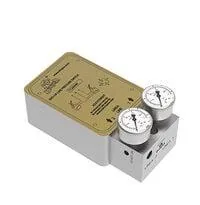
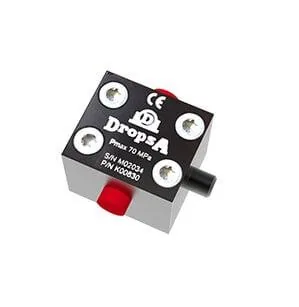
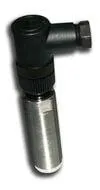
Pressure sensors

Pressure sensors

More information
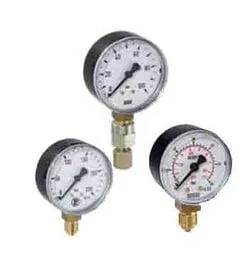
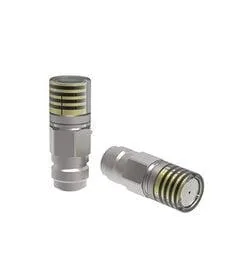
Pressure indicator

Pressure indicator

More information
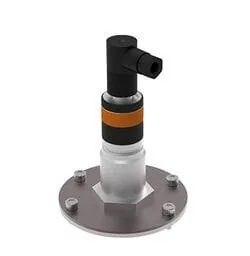
Flow sensors

Flow sensors

More information
Flow regulator

Flow regulator

More information
Cycle sensors

Cycle sensors

More information
Cycle indicator

Cycle indicator

More information
Level switches / sensors

Level switches / sensors

More information

Intelligent sensors and monitoring for industrial lubrication systems

DropsA Germany offers the most modern Sensors and Monitoring devices for precise control of Lubrication systems and industrial processes. Our Pressure sensors, Flow sensors and Cycle indicator ensure complete monitoring of the system.

Our Sensors Reliably detects critical conditions such as pressure drops, lack of oil/grease or flow problems - for maximum operational reliability and early maintenance. Flow regulator and Level sensors ensure complete control of every system.

The intelligent connection surveillance and automation reduces downtimes and increases the efficiency of your production. DropsA provides solutions for every challenge in industrial lubrication technology.

Sensors & monitoring from DropsA – For more efficiency and safety in German industrial companies.

Sensors & monitoring for central lubrication systems

Sensors and monitoring devices turn a "blind" lubrication system into a supervised one: they capture the essential operating variables — lubrication cycle, pressure, flow and level — and report them to the control. This is what lets an automatic system confirm that lubrication is actually happening and raise an alarm before a missed cycle, a blockage or an empty reservoir causes damage. DropsA's sensor range covers cycle, pressure, flow and level, with both visual indicators and electronic sensors, so the lubrication of a machine or plant can be made fully traceable.

The monitoring functions at a glance

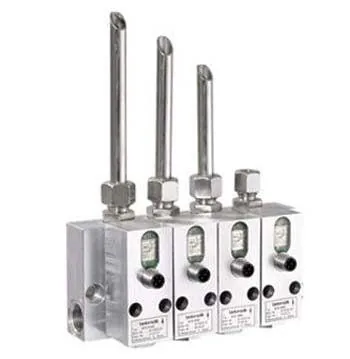
Cycle monitoring uses cycle sensors and cycle indicators to confirm each distributor cycle; pressure monitoring uses pressure sensors and pressure indicators to confirm the network is building up; flow sensors and flow controllers confirm and divide the oil flow; and level switches and sensors guard the reservoir against running dry. Dual metering valves add metering with built-in function indication.

Applications & industries

Lubrication monitoring is used wherever reliability and documentation matter — metalworking and machine building, packaging, heavy industry and general plant. It is especially valuable on automated and high-availability machinery, where an early electronic warning of a lubrication problem prevents costly unplanned stoppages.

Your advantages

Turns a blind system into a supervised, traceable one
Covers cycle, pressure, flow and level monitoring
Visual indicators and electronic sensors
Early warning of missed cycles, blockages and empty reservoirs
Feeds a control unit for logging and coded alarms

Selection guidance

The right sensors are selected by what must be assured — that the distributor is cycling, that the network is pressurised, that oil is flowing, or that the reservoir is not empty — and by whether a local visual check or an electronic signal is required. The signals feed a control unit such as the VIP5, which displays, logs and alarms them, closing the loop on the lubrication system. Our team is happy to advise.

FAQ

Frequently asked questions about sensors

Why add sensors to a lubrication system?
They capture the lubrication cycle, pressure, flow and level and report them to the control, so the system can confirm lubrication is happening and alarm a fault before it causes damage.
What can be monitored?
The lubrication cycle, the system pressure, the oil flow and the reservoir level — with both visual indicators and electronic sensors.
What is the difference between an indicator and a sensor?
An indicator gives a local visual check; a sensor delivers an electronic signal that can be logged and alarmed by the control.
How are the sensors integrated?
Their signals feed a control unit such as the VIP5, which displays, logs and alarms the monitored variables.
How are the right sensors selected?
By what must be assured — cycle, pressure, flow or level — and whether a local visual check or an electronic signal is required.

The right solution for your plant

We match selection, sizing and monitoring to your lubrication system.

Get a free consultation →