Slider sensors
Cycle sensors monitor the lubrication cycle of a central lubrication system electronically and report it to the control. Where a visual cycle indicator lets a person confirm the cycle on the spot, a cycle sensor turns that confirmation into a signal — so the system itself knows, on every cycle, that the progressive distributor is working
Slider sensors at a glance
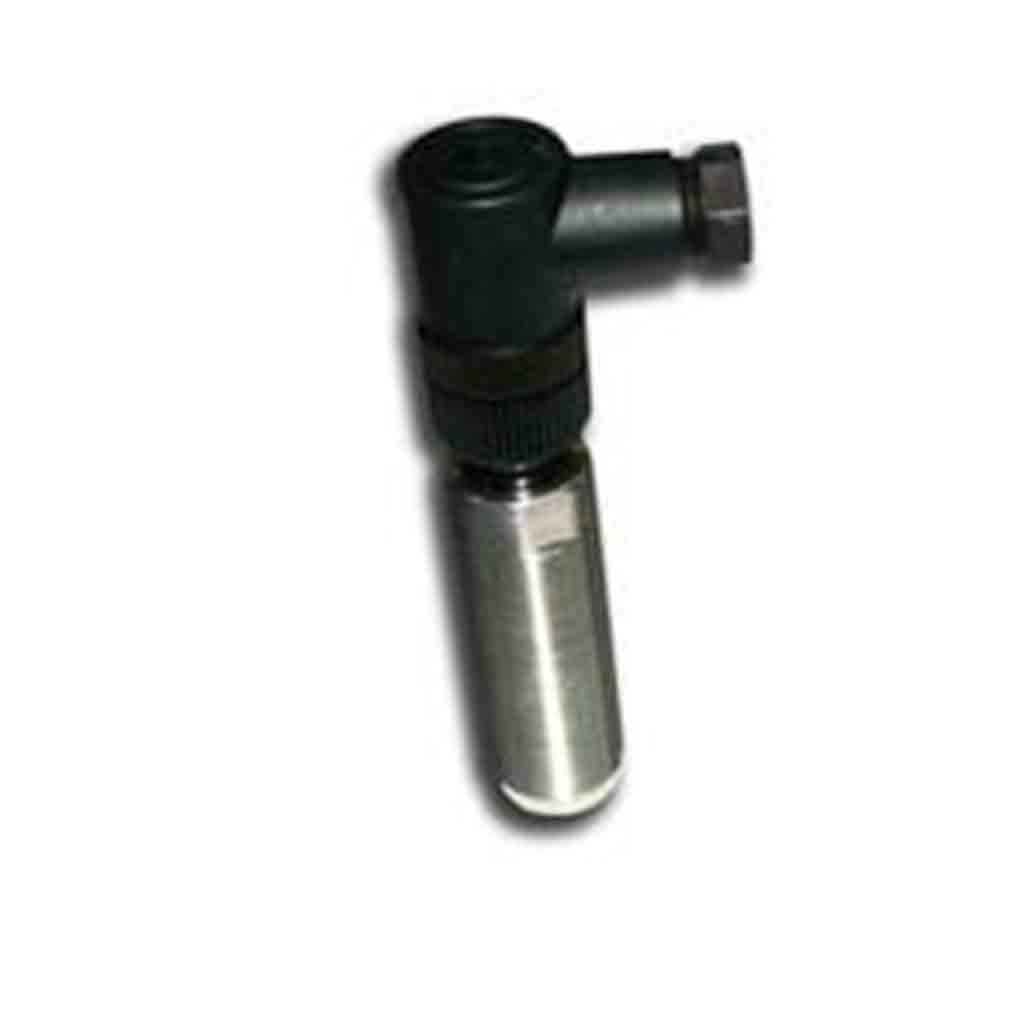
Ultrasensor M18x1 general purpose
Versatile sensor in M18×1 housing – reliably detects positions and flow paths in oil and grease-based systems.
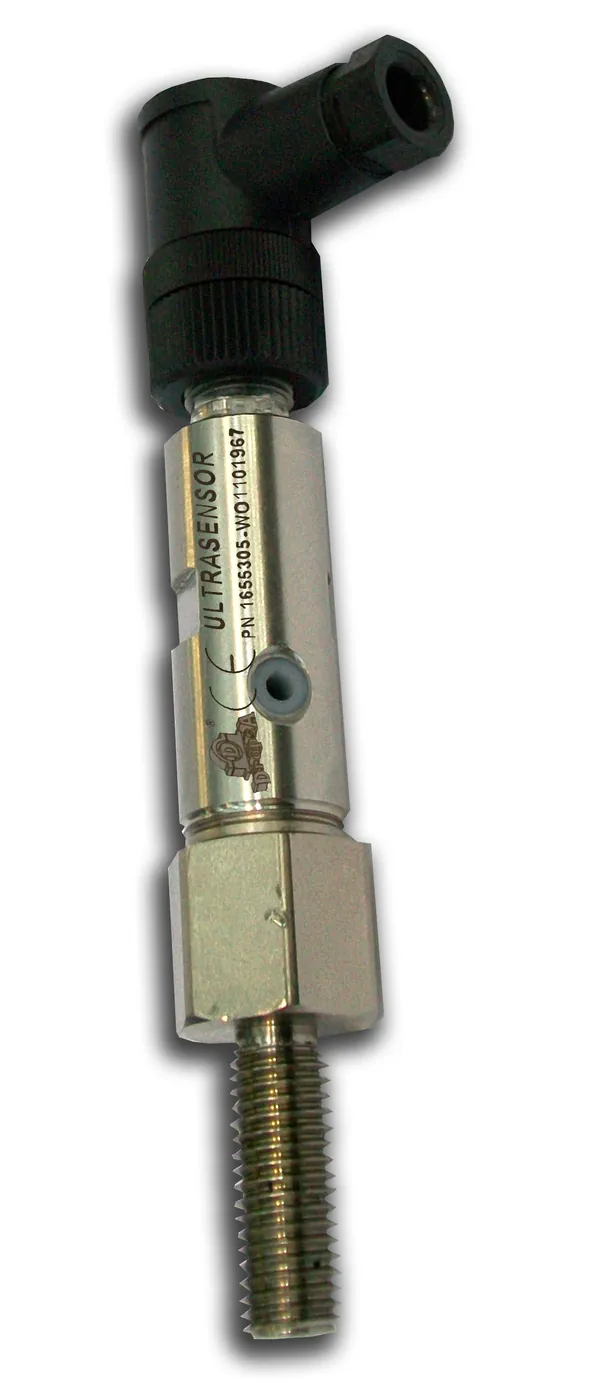
Ultrasensor DM/DMM
Compact DM/DMM sensor with high repeatability – ideal for tight installation spaces and fast cycle times.
Cycle sensors – monitoring the lubrication cycle
Cycle sensors monitor the lubrication cycle of a central lubrication system electronically and report it to the control. Where a visual cycle indicator lets a person confirm the cycle on the spot, a cycle sensor turns that confirmation into a signal — so the system itself knows, on every cycle, that the progressive distributor is working. This is the basis for automatic monitoring: if a cycle is missed, the system can raise an alarm before a lack of lubrication causes damage or downtime. The sensor detects the movement of the distributor piston on each cycle and sends a pulse to the control unit. By counting and timing these pulses, the control confirms that the distributor is cycling at the expected rate. If the pulses stop or slow, the deviation is detected automatically — pointing directly to a blockage or fault, because the sections of a progressive distributor work in sequence and depend on one another. Automatic, electronic confirmation of every lubrication cycle Early detection of a missed cycle, blockage or fault Pulse output for counting, timing, logging and alarming Prevents lubrication-related downtime on automated machinery Complements visual cycle indicators Cycle sensors are selected to match the distributor type and the required output signal. For a complete solution, they combine a visual indicator for an at-a-glance check with the electronic sensor for automatic monitoring — so a fault is both visible locally and reported to the control. The signal feeds a control unit such as the VIP5, which counts the cycles, monitors the timing and raises a coded remote alarm if a cycle is missed.
Slider sensors at a glance
Ultrasensor M18x1 general purpose
Versatile sensor in M18×1 housing – reliably detects positions and flow paths in oil and grease-based systems.
Ultrasensor DM/DMM
Compact DM/DMM sensor with high repeatability – ideal for tight installation spaces and fast cycle times.